
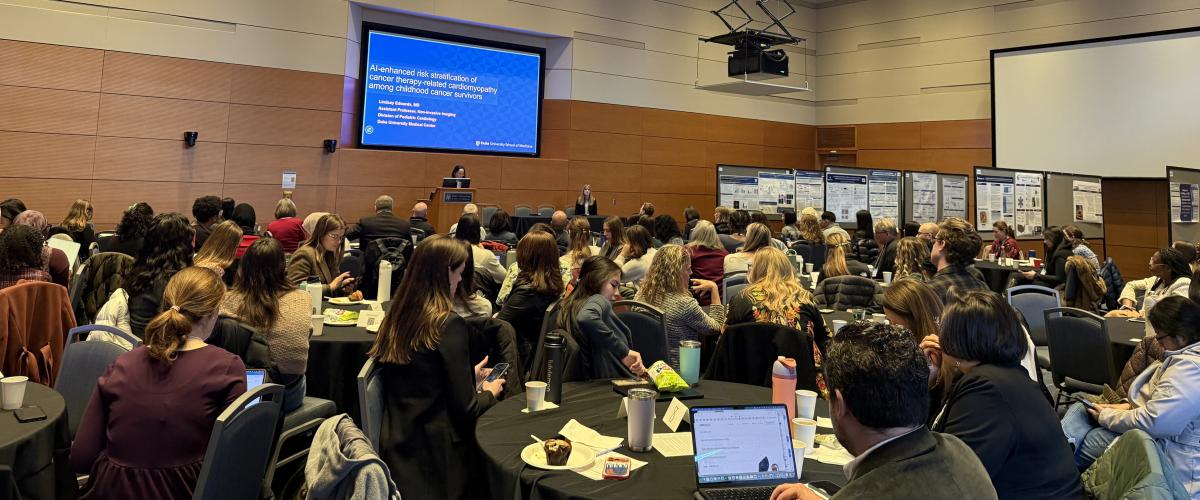
Panel Discussions - Data Science & Career Paths | Poster Showcase | Scholar Presentations | Networking Lunch
Symposium Program Data Science Panel
Widely attended in 2026 with over 145 attendees and 50 posters! Faculty, trainees, students and other researchers from academia, industry and government representing more than 25 subspecialties enjoyed the dynamic panel presentations, interactive poster sessions and lunch roundtables.
Past Events
[Held virtually due to weather] The 2025 Women’s Health Symposium featured BIRCWH scholar presentations, poster sessions, and an interactive session, “Navigating the bumps along your research path” — led by our invited speakers Dr. Sharonne Hayes (Mayo Clinic) and Dr. Cynthia Kuhn (Duke). After a quick pivot from in-person to zoom due to inclement weather, we were pleased to host 95 attendees from various institutions including Duke University, UNC Chapel Hill, NC Central, and Durham Tech Community College. We also welcomed guests from Blue Cross, NC and NC DHHS. Attendees came from a wide range of departmental backgrounds, including obstetrics & gynecology, biomedical sciences, infectious diseases, medicine, pharmacology, psychiatry, and social work. Those in attendance comprised of 28% senior-level faculty, 25% junior-level faculty, and 28% current students (undergraduate, graduate, and medical). There were 30 posters presented by our guests during the breakout poster sessions.
Poster Sessions
1 Biological Sex Affects Functional Variation Across the Genome to Alter Risk of Human Disease
Jones, Angela - Molecular Genetics and Microbiology, Duke University
This work is about uncovering mechanisms of sex-biased gene expression and connecting genomic risk to disease to individual variants that impact sex-biased gene expression.
2 Molecular Mechanisms of Sex Differences in Human Biology
San Roman, Adrianna - Molecular Genetics and Microbiology, Duke University
The difference in sex chromosomes between typical females (XX) and males (XY) is the largest source of genetic diversity in the human population. The overall goal of my new lab's research program is to define fundamental molecular mechanisms by which variation in sex chromosome copy number impacts human biology.
3 Sex Differences in Genetic Expression of Specific Brain Proteins in Fetuses
Udayashankar, Harita - Obstetrics and Gynecology/Reproductive Sciences, Duke University
Studying potential sex differences in the genetic expression of specific proteins in the brain that may be implicated in disease using human fetal brain tissue (aged 94-109 days).
4 Low-level Volatile Organic Compounds Disrupt Embryo Morphokinetics and Development in Murine Preimplantation Embryos
Orsolini, Morgan - OBGYN and Perinatal Psychiatry, Duke University
Looking at the effect of indoor laboratory air quality on the clinical outcomes of in vitro embryo development and IVF. Specifically, the effect of prominent laboratory volatile organic compounds (VOCs) are examined at low, clinically relevant levels.
5 Flavored E-Cigarettes Reduce Embryo to Placenta Weight Ratios and Elicit Differential Gene Expression of Growth, Invasion, and Antioxidant Response Pathways
Marbrey, Margeaux - Obstetrics & Gynecology: Division of Reproductive Sciences, Duke University
Around 15% of pregnant women use electronic cigarettes as a perceived safer alternative to traditional cigarettes, but the safety of electronic cigarettes is not well understood. Our studies specifically examine how electronic cigarettes can impact the development of the placenta and activation of cell signaling pathways at mid-gestation, providing important understanding to the public health regarding the safety of these devices.
6 Transducing Force into Procoagulation: PIEZO1-TMEM16F Functional Coupling in Blood Lining Cells
Shan, Zoe - Biochemistry, Duke University
This research investigates the functional coupling of mechanosensitive calcium-permeable channel, PIEZO1, and TMEM16F, a calcium-activated lipid scramblase and ion channel, in placental trophoblasts and endothelial cells, driving phosphatidylserine exposure and hypercoagulability. It highlights potential therapeutic strategies using PIEZO1 inhibitor and TMEM16F inhibitor to reduce coagulation, offering insights into managing pregnancy-related thrombosis.
7 The Clinical Utility of Serum BAFF Levels in Pregnant Patients with SLE
Sims, Catherine - Rheumatology, Duke University
Translational research: involves utilizing serum biomarkers to stratify women with SLE who may be higher risk for pregnancy complications (preeclampsia, preterm delivery)
8 Effects of PFBS on Mitochondrial Function in Human Trophoblasts
Happel, Julia - Division of Reproductive Sciences, Duke University
This project investigates the underlying mechanisms by which PFBS disrupts placental development and function by examining the effects of PFBS exposure on mitochondrial function in human placental stem cells.
9 Perinatal Palliative Care in Tanzania
Rent, Sharla - Pediatrics/Neonatology, Duke University
Mixed methods study looking at perinatal palliative care, maternal psychosocial support needs, and areas for care growth in Tanzania.
10 Irritability: An Underrecognized Mood State in the Perinatal Period
Avila, Bianca - Psychiatry, UNC Chapel Hill
Irritability is underrecognized and rarely assessed despite being a common experience in the perinatal period. This poster will present preliminary data to describe participants experience of irritability in our sample.
11 What is the Content of the Information, Support, and Resources Related to Breastfeeding Provided to Black Birthing Parents in the Inpatient Setting?
Fatima, Hiba - Maternal and Child Health, UNC Gillings School of Public Health, UNC Chapel Hill
This poster will illustrate the information, support, and resources related to breastfeeding received by Black birthing parents while they are in the inpatient setting, including labor and delivery along with the postnatal unit, after childbirth and leading up to being discharged. Additionally, the content of the information exchange (e.g. breastfeeding initiation/duration, resources to enhance breastfeeding experience, peer support, community resources, pumping practices, strategies to bond with infant during feeding, etc.) will also be mapped.
12 While You were Sleeping: Exploring Maternal Infant Sleep during the Last 24 Hours Before Hospital Discharge
Hepler, Bonnie - School of Nursing, Duke University
This study used naturalistic videos to explore maternal sleep during the final 24 hours of postpartum hospitalization. We identified the quantity of maternal sleep, sleep patterns and antecedents of maternal wakings to inform practices that could promote sleep and recovery postpartum during postpartum hospitalizations.
13 Perceived Racial Discrimination in Postpartum Care: A Confirmatory Factor Analysis of the Discrimination in Medical Settings Scale
Krueger, Danya - School of Social Work, UNC Chapel Hill
Anti-racist, person-centered, equitable maternal health care, with a focus on psychometric tools measuring perceived racial/ethnic discrimination in postpartum care. Our work evaluated the 7-item Discrimination in Medical Settings (DMS) scale deployed in a postpartum setting.
14 Improving Postpartum Care for Maternal and Infant Health: Analyzing Interprofessional Communication in Inpatient Settings
Giordano, Hayley - School of Medicine, UNC Chapel Hill
Inpatient postpartum care is vital for the health and well-being of mothers and newborns, involving a range of clinical, educational, and emotional support activities. This study analyzes interprofessional communication and team interactions in postpartum rooms to identify opportunities for improving workflows and enhancing maternal and infant outcomes.
15 Developmental Effects of Maternal Chronic Stress During Lactation
Josefson, Chloe - Biological & Biomedical Sciences, NC Central University
Lactation coincides with a critical window of early life development during which the neonatal phenotype remains malleable, allowing for considerable maternal regulation of offspring development beyond gestation. Here, we looked at offspring growth, development, and phenotype following maternal exposure to a chronic stressor during lactation.
16 Reproductive Health Services in Higher Education: A Review of North Carolina University Websites
Reddy, Manasvi - Obstetrics and Gynecology, Duke University
We conducted a standardized content analysis to explore reproductive health services listed on North Carolina 4- year Universities’ websites. Out of the 55 institutions analyzed, 11 had no information on primary care services, 14 student health websites had no information on any predefined reproductive health terms, and only 3 listed abortion in any context. These data highlight the lack of access to information on reproductive health care services across NC universities.
17 Neighborhood Characteristics of Crisis Pregnancy Centers in North Carolina
Saxena, Anushri - Duke University
This research is related to reproductive health and autonomy. It is an analysis of the average poverty level, education level, racial composition, and percent of single parents in North Carolina census tracts that contain crisis pregnancy centers, or anti-abortion fake clinics.
18 Using Standardized Content Analysis and Student Health Websites as Models to Improve Information Access at North Carolina Universities
Hasan, Sarah - Bass Connections, Duke University
We conducted a standardized content analysis to explore reproductive health services listed on student health websites of North Carolina Universities. When analyzing the 55 institutions, we found that websites widely varied in ease of navigation, wording of services, and detail provided regarding reproductive health services. Here we use some of these websites as models to influence universities to improve student health websites and increase information access for North Carolina college student.
19 Assessing Contraceptive Use in Virginia Using Al-Payer Claims Data
Kmitch, Laura - Population Health Sciences, Duke University
Contraceptive use.
20 What is Obstetrics and Gynecology?
Lewter, Kandi - Early Childhood Education, NC Central University
Giving students of lower education status, a chance to learn and have hands on experience!
21 Exosomes for Atrophy: Acellular Regenerative Biologic for Estrogen-Deprivation Vaginal Atrophy in a Porcine Model
Aitelli, Audrey - School of Medicine, Duke University
Our objective is to evaluate the efficacy of a regenerative biologic, exosomes, in a porcine model for possible translation as a clinical treatment for vaginal atrophy.
22 The Association between Nocturia and Major Cardiovascular Events
Sinha, Annika - Urogynecology, Duke University
Cardiology, Lower Urinary Tract Symptoms, Nocturia
23 "Lnc"ing XIST to Female Sex-Biased Autoimmunity
Dou, Diana - Integrative Immunobiology, Duke University
Contribution of Xist, the long noncoding RNA required for X-inactivation in XX individuals, to the female preponderance for developing autoimmunity. Keywords: noncoding genomic regulation, Xist, lncRNA, autoantigens, autoimmunity, SLE, SSc.
24 Association of Sex with Mortality in Patients with Gram-Negative Bacterial Bloodstream Infections
La, Priscilla - Infectious Diseases, Duke University
Infectious diseases
25 Impact of Coronavirus Disease-2019 on Influenza and Tdap Vaccination Rates in Pregnant Patients
Freedy, Katie - School of Medicine, Duke University
In this study, we sought to describe impact of the COVID-19 pandemic on influenza and Tdap vaccination rates in pregnant patients. We found that rates of influenza, Tdap, and dual vaccination in pregnancy dropped significantly during the COVID-19 pandemic.
26 Septic Abortion Complicated by Native Tricuspid Valve Streptococcus Agalactiae Endocarditis in a 22-year-old Female
Sutton, Kent - Medicine and Pediatrics, Duke University
Case Report / Clinical Vignette / Peripartum Cardiology / Infectious Disease
27 The Menstrual Cycle as an Indicator for Health: Estimating Variability of Menstrual Cycle Length in Active Women
Brantner, Carly - Department of Biostatistics & Bioinformatics; DCRI, Duke University
The goal of this work is to estimate the within- and between-individual variability of menstrual cycle lengths in physically active women. I will outline the planned study that will use self-reported app data of cycle lengths to estimate variation, identify and impute missing cycles, and explore how cycle length variability depends upon individual-level characteristics.
28 Assessment of Iron Deficiency in Female Athletes
Modlin, Emmie - Biological and Biomedical Sciences, NC Central University
Accessing current literature on iron deficiency in female athletes. Focus on understanding the role of iron in the body with special considerations for exercise, energy availability, and menstrual status on deficiency.
29 Thinking Differently about Different Thinkers: Designing Patient-Centered Outcomes Research (PCOR) for Girls and Women with ADHD
Schechter, Julia - Psychiatry & Behavioral Sciences, Duke University
To meet the needs of girls and women with ADHD—and mitigate the significant risk factors they face when undiagnosed and/or untreated— patient-centered outcomes research (PCOR) is needed to understand the lived experiences of this population. This community-driven project resulted in the largest patient-informed research agenda focused specifically on ADHD girls/women to-date, and identified the top priority for future research as the intersection of hormones and ADHD symptoms.
30 Diagnostic Assessments for Patients Presenting with Abnormal Uterine Bleeding
Green, Michael - Obstetrics & Gynecology: Division of Reproductive Sciences, Duke University
Using electronic health record data from Duke, UNC, and the Virginia All-Payor Claims Database we identify patients seeking treatment for abnormal uterine bleeding and present descriptive statistics related to who receives recommended diagnostic tests such as a complete blood count and a transvaginal ultrasound.
31 Characterizing Sexual Health Concerns Among Female Adolescent and Young Adult Cancer Survivors
Adillon, Louise; Kancharla, Navya; Maddock, Katie - Psychiatry and Behavioral Sciences, Duke University
Our poster will present self-reported data from a sample of female adolescent and young adult (15-35 years old) cancer survivors on sexual health concerns and experiences of sexual interest, satisfaction, and function.
32 Development of a Behavioral Intervention to Improve Fertility-Related Information Needs and Distress Among Female Adult Survivors of Childhood Cancer
Stalls, Juliann - Psychiatry and Behavioral Sciences, Duke University
My poster will present qualitative and quantitative data used to inform the development of AYA SPARK, a behavioral intervention that aims to improve fertility-related information needs and fertility-related distress among female adult survivors of childhood cancer.
33 The Role of N-terminal Cleavage of Trop2 in Tumor Progression and Therapeutic Resistance in Triple Negative Breast Cancer
Wilson, Andrea - Pathology, Duke University
Triple negative breast cancer (TNBC) is the most aggressive subtype of breast cancer, with limited therapeutics, but recent advancements have been made by the introduction of Trop2-targeting therapies, like Sacituzumab govitecan (SG). However, how posttranslational modifications, like N-terminal cleavage of Trop2 contributes to tumor progression and therapeutic resistance has not been previous examined.
Selected Recordings
Sharonne Hayes, MD - Mayo Clinic, Rochester: Vive la Différence: Sex-Based Cardiovascular Research Saves Lives
Cynthia Kuhn, PhD - Duke University: Sex Differences in Health: How to Stumble Down a Rabbit Hole
On Feb. 23, 2024, faculty, fellows, postdocs, students and staff interested in women’s health research gathered in the Trent Semans Center Great Hall at Duke University for the Women’s Health & Career Development Symposium. This annual symposium is sponsored by BIRCWH (Building Interdisciplinary Research Careers in Women’s Health, a K12 Institutional Career Development Program.
The event featured invited speakers, scholar presentations, a poster showcase, and an interactive “Pitching Your Science” session led by Johnna Frierson. We were pleased to welcome 90 attendees (almost double the number from 2023) representing nine institutions, including Duke, UNC, NC Central, Yale and Wake Forest. There was a broad range of career levels; 28% senior-level; 28% graduate, undergraduate or medical students; and 28% early career faculty. Attendees were from a broad range of departments, including biostatistics, public health, surgery, nursing, community health and social work, illustrating the multidisciplinary nature of women’s health research.
Poster Session
1 Building a conceptual model of postpartum sexual well‐being
Arthur, Sarah - Psychology & Neuroscience, Duke
2 Examining Sex‐based Differences on the Receipt of BCPR and OHCA Outcomes in both Singapore and North Carolina
Wee, Glenda - School of Medicine, Duke University
3 Expression of PRDM1 a transcription factor essential for limb and fin development is affected by embryonic ethanol exposure in zebrafish
Hedrick, Ethan - Integrated Biosciences PhD Program Biomedical Concentration, NCCU
4 Gender differences in receipt of telephone cardiopulmonary resuscitation of suspected out‐of‐hospital cardiac arrests
Hart, Lauren - Family Medicine and Community Health, Duke
5 In vivo measurements of five endpoints relevant to metabolism of aggressive breast cancer
D'Agostino, Victoria - Biomedical Engineering, Duke
6 Investigating Practice‐Level Surgery Tendency: Racial/Ethnic Differences among Premenopausal Hysterectomy Patients
Mathias, Joacy - Obstetrics & Gynecology, Duke
7 Investigating the Impact of Dobbs V. Jackson on Training for Future Providers
Reddy, Manasvi - Obstetrics & Gynecology, Duke
8 Management of Chronic Hypertension Prior to Pregnancy Among Women Veterans
Harding, Ceshae - Medicine, Division of General Internal Medicine, Duke
9 Maternal & Antenatal Health Outcomes Observed by Prenatal Exposure to Individual, Obstetric, and Structural Forms of Racism
Floyd, Deanna - Psychiatry and Behavioral Sciences, Duke
10 Pocket Colposcope implementation enables “Screen, Triage, and Treat” approach for cervical cancer care in Kenya
Santos, Olivia - Biomedical Engineering, Duke
11 Prolonged Graft Survival in Pregnancy‐Sensitized Female NHP recipients with Belatacept and rapamycin as a maintenance
immunosuppression after desensitization
Schwalb, Allison - Surgery, Duke
12 Racial/ethnic differences in patient age and symptom severity at time of insertion of a hormonal intrauterine device to treat benign
gynecological conditions
Green, Michael - Obstetrics & Gynecology, Duke
13 Unmet Reproductive and Sexual Health Care Needs of Female Adult Survivors of Childhood Cancer: Medical Providers' Perspectives
Stalls, Juliann - Psychiatry and Behavioral Sciences, Duke
14 Utility of Sentinel Node Biopsy in Older Patients with HER2+ Breast Cancer
Dalton, Juliet - Surgery, Duke
15 Utilization of Perinatal Behavioral Health Services for Patients with Positive Depression Screenings in the Outpatient High Risk Obstetrics
Care Setting
Chu, Allison - School of Medicine, Duke
16 Vaping and Pregnancy: Exploring the Effects of E‐Cigarettes on the Placenta
Weiss, Ayla Obstetrics and Gynecology Division of Reproductive Sciences, Duke
Selected Recordings
Rachel Greenup, MD, MPH – BIRCWH Alumna (2019) Yale School of Medicine: Standing on the Shoulders of (Little) Giants: Academic Success in Health Services Research Through Mentorship & Collaboration
Chad Grotegut, MBA, MD – BIRCWH Alumnus (2012) Wake Forest University: Mechanisms of Uterine Contractility and the Development of a Physician-Scientist-Administrator
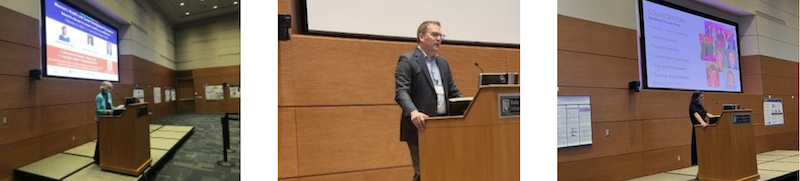
Agenda
- 12:00 Welcome & Introductions
- 12:10 Invited Presentation
- Rachel Greenup, MD, MPH – BIRCWH Alumna (2019) Yale School of Medicine: Standing on the Shoulders of (Little) Giants: Academic Success in Health Services Research Through Mentorship & Collaboration
- Q and A
- 12:40 Scholar Presentations
- 12:40 Audrey Blewer, PhD, MPH - Sex Disparities in Receipt of Bystander Cardiopulmonary Resuscitation
- 1:00 Binita Chakraborty, PhD - Targeting Estrogen Receptor Signaling in Tumor Associated Myeloid Cells to Enhance Anti-tumor Immunity
- 1:20 Alumni Introductions
- 1:25 Break & Posters
- 1:45 Scholar Presentations
- 1:45 Tarannum Jaleel, MD, MHSc - Relationship between Hormones and Skin Inflammation: Hidradenitis Suppurativa in Women
- 2:05 Charity Watkins, PhD - Severe Maternal Morbidity & Racial Bias: A Mixed-Methods Study of the Psychosocial Effects of Pregnancy-related Cardiovascular Disease among Black Women
- 2:25 Jennifer Plichta, MD, MS - Staging for De Novo Metastatic Breast Cancer: Can Genomic Data Make it Better?
- 2:45 Invited Presentation
- Chad Grotegut, MBA, MD – BIRCWH Alumnus (2012) Wake Forest University: Mechanisms of Uterine Contractility and the Development of a Physician-Scientist-Administrator
- Q and A
- 3:20 Break & Posters
- Group photo (scholars, alumni, mentors, Advisory Committee)
- 3:45 Interactive Session: Communicating Your Science and Perfecting Your Pitch
- Johnna Frierson, PhD
- Dr. Frierson will facilitate this interactive session. After a brief presentation on the nuts and bolts of the pitch, participants will prep and then practice their pitch in small groups.
- Johnna Frierson, PhD
- 4:55 Closing Remarks
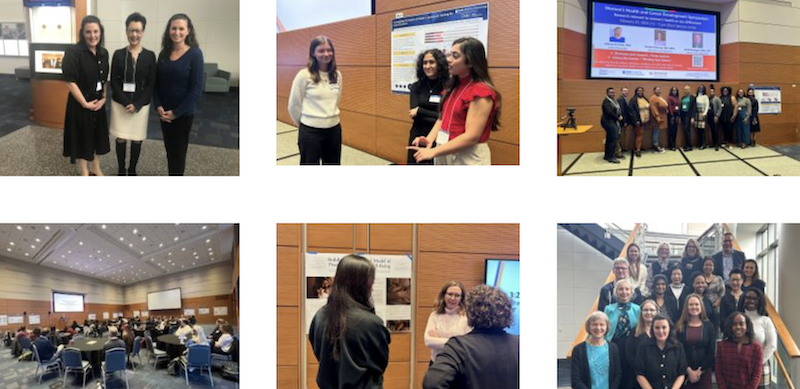
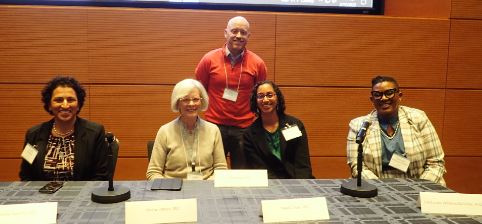
This year’s event was held on February 17th at Duke, in the Trent Semans Great Hall. This research-career-oriented meeting featured presentations by BIRCWH and WRHR scholars and a panel discussion focusing on The “–ships” To Success: Navigating Academia, led by Geeta Swamy, MD, Duke University’s Associate Vice President for Research and Vice Dean for Scientific Integrity.
Recordings
2022 Symposium (2/18/2022)
- Welcome and Scholar Presentations
- Andrea Knittel, MD, PhD, FACOG (UNC WRHR)
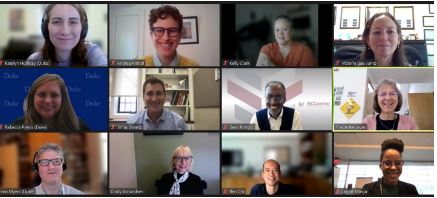
- Katelyn Holliday, PhD (Duke BIRCWH)
- Chemtai Mungo, MD, MPH (UNC WRHR)
- Rebecca Previs, MD (Duke WRHR)
- Jamila Minga, PhD, CCC-SLP (Duke BIRCWH)
- Jonas Swartz, MD (Duke WRHR)
- Andrea Knittel, MD, PhD, FACOG (UNC WRHR)
- Panel Discussion: Pregnancy as Inclusion/Exclusion Criteria: Ethical and Pragmatic Consequences for Women’s Health Research
- Q&A: Patient and Community Engagement and Retention
- Welcome and Introductions
- Chairs' Perspectives: Avoiding Common Pitfalls in Academic Research Careers Part 1
- Avoiding Common Pitfalls Part 2
- BIRCWH Scholar Presentations
- WRHR Scholar Presentations
- Small Group Breakouts
- When Things Don't Go as Planned
- Managing Professional Relationships
- Work-Life Integration
- Leading a Research Team
- Scholar Networking
- Programs Represented: UNC and Duke/NCCU BIRCWH
- Theme: K-Scholar Success – What Does it Take to Transition to Independence?
- Date: Friday, Feb. 21, 2020
- Location: Washington Duke Inn, Durham, NC
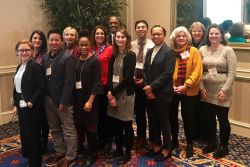
- Agenda
- BIRCWH Scholar Presentations
- Networking
- Featured Speaker: Matthew Pearsall, PhD, Associate Professor of Organizational Behavior, UNC Kenan-Flagler Business School, Building Resilient Teams
- Panel Discussion: Paths to success, developing resilience and overcoming rejection, and becoming independent
- 2020 Symposium Program
- Programs Represented: UNC and Duke/NCCU BIRCWH
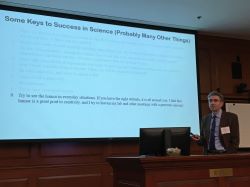
- Date: Friday. Feb. 1, 2019
- Location: Rizzo Center, Chapel Hill, NC
- Agenda
- Career Development: Jeffrey Houpt, MD, Dean Emeritus, UNC School of Medicine, The Tough Stuff: Conflict, Difficult Conversations, and Negotiation
- Women’s Health: Susan Girdler, PhD, Depression and Cardiovascular Disease in Mid-Life Women: Biopsychosocial Mechanisms of Risk and Protection
- BIRCWH Alumnus: Kris C. Wood, PhD, The Transition from Scholar to Independence
- BIRCWH Scholars: Scholar Snapshots
- Keynote Presentation: Nobel Prize recipient Robert J. Lefkowitz, MD, Tales of a Serendipitous Scientist
- 2019 Symposium Program
- Programs Represented: UNC and Duke/NCCU BIRCWH
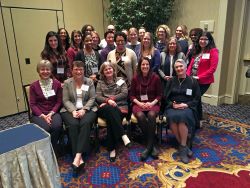
- Date: Friday, Jan. 6, 2018
- Location: Washington Duke Inn, Durham, NC
- Agenda
- Duke BIRCWH Alumna: Geeta Swamy, MD
- Networking
- UNC BIRCWH Alumna: Stephanie Zerwas, PhD
- Keynote Speaker: Joan Y. Reede, MD, MS, MPH, MBA, Dean for Diversity and Community Partnership, Harvard University
- Q&A
- Reception
- Programs Represented: UNC and Duke/NCCU BIRCWH
- Date: Friday, Dec. 2, 2016
- Location: Washington Duke Inn, Durham, NC
- Agenda
- Anthony Viera, MD, Maximizing/Organizing Time for Writing
- BIRCWH Scholar Presentations
- 2016 Symposium Program
Program Contacts
PI of the Duke/NCCU BIRCWH Award and Program Director: Cindy Amundsen, MD
Site-PI NCCU: Nina Smith, PhD
Program Coordinator: Friederike Jayes, PhD – please forward any questions to the BIRCWH Program Coordinator