
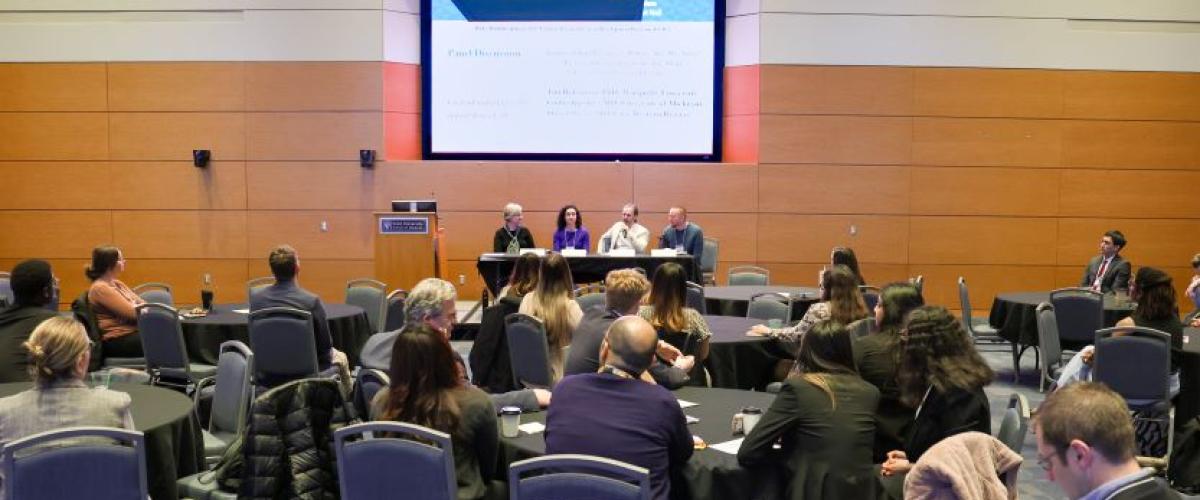
Scientific Meeting on Benign Urologic Conditions
Urogenital Pain
&
Obesity Effects on Urogenital Conditions
Friday, April 17, 2026
Great Hall, Trent Semans Center, Duke University
AGENDA
Speakers
Panel: Urogenital Pain

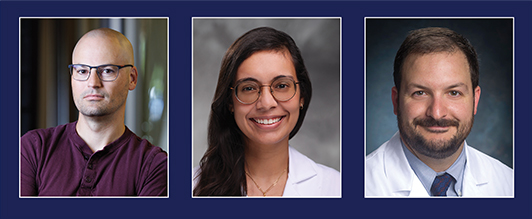
Dr. Clemens is internationally recognized for his expertise in functional urology. He obtained his MD degree from the Johns Hopkins University School of Medicine. He completed his urologic residency training at Northwestern University Medical School and his Fellowship in Neurourology, Reconstruction and Incontinence at the University of Michigan. Dr. Clemens is the Edward J. McGuire Professor of Urology, Associate Chair for Research, and Director of the Urogynecology and Reconstructive Pelvic Surgery Fellowship Program. Dr. Clemens’ research interests are in the areas of epidemiology and health services research related to benign urologic diseases. He has published over 300 peer-reviewed manuscripts and book chapters and has had continuous NIH funding since 2001. He has been Principal Investigator on multiple NIH-funded projects related to urinary incontinence, interstitial cystitis and chronic prostatitis, including the NIDDK MAPP Research Network and NIDDK LURN Research Network.
Dr. Nackley is an Associate Professor of Anesthesiology and Associate Director of the Center for Translational Pain Medicine at Duke University. She is Director of the Translational Pain Research Laboratory, where her program marries pain neurobiology, behavioral pharmacology, and molecular genetics in mouse and man to better understand what causes chronic pain and how to effectively treat it. During the past 20 years, her expertise in this area has been applied to the study of how alterations in gene regulation, protein expression, and receptor signaling contribute to chronic ‘primary’ overlapping pain conditions such as vestibulodynia. Her lab was the first to demonstrate a critical role for peripheral adrenergic receptor beta-3 in the development of chronic pain and neuroinflammation, which remains a primary research focus. Dr. Nackley is an active leader in the field, participating in pain-relevant workshops and delivering invited lectures around the globe. In recognition of her scholarly activity in the Pain field, she received the John C. Liebeskind Career Scholar Award from the American Pain Society.
Dr. Walker is a geneticist and molecular biologist with a focus on systems biology and diagnostic biomarker discovery in complex disorders. Since 2014, one primary focus of his research has been to leverage molecular, histological, and cellular data, together with clinical and demographic information, for the identification of clinically relevant patient subgroups in interstitial cystitis/bladder pain syndrome. The overall goal is to identify mechanisms underlying specific subgroup pathophysiology so that regenerative medicine and other therapeutic strategies can be used to improve treatment outcomes for this highly heterogeneous patient population. A secondary goal is to partner with other experts in the field (e.g., clinicians and basic scientists new to benign urology research) to enhance our capabilities and accelerate our progress towards the overall goal.

KURe Project: An Engineered Model of the Bladder Wall to Identify Countermeasures against Microvascular Damage in Radiation Cystitis
Mentors: Sharon Gerecht, PhD; Andrew Peterson, MD
Dr. Hammel completed her undergraduate education in Bioengineering at Temple University, where she developed a 3D engineered model of vascularized adipose tissue. Remaining inspired to continue research, she then pursued her PhD in Biomedical Engineering at Virginia Tech. During her time there, she developed engineered models of the lymph node and meningeal lymphatics to study cell and fluid transport, response to chemotherapy, and metastasis. With this work, she saw the damage that cancer treatment can cause to healthy tissues in the body. Dr. Hammel now works with Sharon Gerecht at Duke University, whose lab focuses on understanding microenvironmental cues in vasculature across broad contexts.
As a KURe scholar, Dr. Hammel will develop a tissue engineered model of the bladder wall. She will use this model to study radiation cystitis with clinical mentorship from Dr. Andrew Peterson. This research aims to identify novel mechanisms behind radiotherapy-induced bladder dysfunction and to develop a useful in vitro platform for testing countermeasures and treatments. Dr. Hammel is passionate about creating sophisticated in vitro models to understand the long-lasting impacts of cancer treatment and using these platforms to develop therapeutics that improve quality of life for cancer survivors.

KURe Project: Sacral Nerve Stimulation for Restoration of Bladder Function in Spinal Cord Injury
Mentors: Warren Grill, PhD; Eric Jelovsek, MD MMEd MSDS
Dr. Wilkins is a preclinical scientist with over ten years of experience in rodent models of spinal cord injury. After substantial work as a research technician at the Medical College of Wisconsin under the supervision of Dr. Brian Stemper and Dr. Matthew Budde, she attended graduate school at the University of Louisville. During her time there, under the tutelage of Dr. Charles Hubscher, Dr. Wilkins developed expertise in spinal cord epidural stimulation as an intervention for neurogenic bladder and sexual dysfunction following spinal cord injury.
She works in the Grill laboratory, where she conducts preclinical experiments to determine the efficacy of sacral nerve stimulation as a treatment for bowel dysfunction induced by spinal cord injury. As a KURe scholar, Dr. Wilkins will expand her work on sacral nerve stimulation to address neurogenic bladder dysfunction resulting from spinal cord injuries. This research aims to develop a framework for the application of sacral nerve stimulation as a therapeutic option for those suffering from this condition. In addition to her work in neuromodulation, Dr. Wilkins is passionate about improving the quality of life for individuals with neurogenic bladder dysfunction. She is also dedicated to destigmatizing female urinary and sexual dysfunction to foster greater conversation within the scientific community and enhance transparency between patients and clinicians.
KURe Project: Kidney Stone Fatigue Characterization for Optimal Laser Lithotripsy Settings
Mentors: John Dolbow, PhD; Pei Zhong, PhD
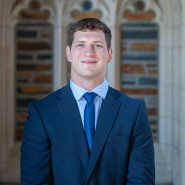
Dr. West completed his undergraduate education at Lehigh University in Civil and Environmental Engineering and earned his PhD at Cornell University. During his graduate studies, Dr. West developed expertise in mechanical testing conceptualization, analysis, and simulation for fatigue and fracture prediction. Computationally, he contributed to algorithm development for efficiently calculating fracture properties in brittle solids from displacement data. His dissertation emphasized his experimental contributions, particularly a novel high-throughput, high-cycle fatigue testing methodology to characterize aerospace alloy behavior.
As a KURe scholar working in the Dolbow computational mechanics laboratory, Dr. West is applying his prior experience to characterize kidney stone ablation and fracture during laser lithotripsy. Through mechanical testing and modern computational techniques, his goal is to build a predictive framework for the timing and location of kidney stone fracture initiation and propagation during procedures, leading to safer and more effective outcomes. His broader research interests include creating innovative experimental strategies for fatigue characterization of biomaterials and developing computational models for the multi-physics problems inherent to complex environments. Ultimately, his work aims to advance predictive mechanics across both biomedical and structural systems.
Panel: Obesity Effects on Urogenital Conditions
Dr. Campbell is an Associate Professor at Duke University in the Department of Medicine and the Department of Pharmacology and Cancer Biology, as well as a faculty member of the Duke Molecular Physiology Institute (DMPI). His background is in biology and physiology, with specific training and expertise in diabetes, islet biology, and gut hormone endocrinology. His research program, located in the Duke Molecular Physiology Institute, uses preclinical models including cell-based assays, genetic mouse models, and human samples to investigate the various mechanisms of action for incretins in physiology and pharmacology. His group also translates the results from preclinical models through human physiology studies. The current focus of his group is to: 1) understand the unique and common signaling pathways engaged by incretins that regulate cellular function, 2) elucidate the importance of paracrine interaction within the islet, and 3) determine novel mechanisms by which incretin peptides and glucagon interact to regulate metabolism.
Dr. Sinha is a board-certified obstetrician-gynecologist and Clinical Associate at Duke University, where she is completing a fellowship in Urogynecology and Female Pelvic Reconstructive Surgery. She earned her MD from Case Western Reserve University and completed residency at the Cleveland Clinic Foundation. Her research focuses on pelvic floor disorders, voiding dysfunction, and Bayesian adaptive trial design. Dr. Sinha has authored numerous peer-reviewed publications and presented nationally on topics including nocturia, cardiovascular risk, and surgical optimization. After graduation, she plans to join the Division of Urogynecology and Reconstructive Pelvic Surgery at the Medical College of Georgia at Augusta University as an academic urogynecologist.
Dr. Wood joined the University of Alabama at Birmingham, Department of Urology in July 2016. He attended medical school at University of Massachusetts, and completed his residency at Wake Forest University. Dr. Wood is fellowship trained in Endourology with a primary focus on kidney stone disease. His surgical expertise is in complex kidney stone disease and surgeries. He is a trained open, endoscopic, laparoscopic and robotic surgeon. The focus of multidisciplinary metabolic kidney stone clinic is on the workup of kidney stone formers and implementing dietary, medical and lifestyle modifications to prevent future kidney stones. He is an AUA research scholar and is conducting kidney stone research on the metabolic pathways that lead to kidney stone disease, specifically evaluating the role of obesity in kidney stone disease. His research has basic, translational and clinical components.
Poster Session and Refreshments (10:05-11:35 AM)
Odd numbered posters:
presented during the first half of the poster session (10:05 am – 10:50 am)
Even numbered posters:
presented during the second half of poster session (10:50 am–11:35 am)
|
Presenter |
Abstract Title |
|
|
Effects of ampakine on the underactive bladder condition in type 1 diabetic mice model |
P-17 |
|
|
Benevides, Samantha |
Functional near-infrared spectroscopy of the prefrontal cortex preliminarily detects changes in neuroexcitation induced by sacral neuromodulation |
P-09 |
|
Bergemann, Christina |
Development of a 3D bladder organoid model from mouse uroepithelial cells |
P-24 |
|
Carter, Naomi |
Depression of Operant Behavior in a Preclinical Cyclophosphamide Model of IC/BPS |
P-11 |
|
Cripps, Samuel |
Electronic Cigarettes: A Novel Risk Factor for Erectile Dysfunction |
P-14 |
|
Fortingo, Nyemkuna |
Using near-infrared spectroscopy to detect variations in bladder hemodynamics in females with overactive bladder and normal healthy controls |
P-10 |
|
Hammel, Jennifer |
Pairing a tissue engineered human bladder wall model with in-vivo studies to identify countermeasures for radiation cystitis |
P-34 |
|
Howell, Elizabeth |
At-Home Removal of Foley Catheters following Urogynecologic Surgery: Resource Utilization and Safety Outcomes |
P-19 |
|
Howell, Elizabeth |
Single-institution experience with molecular diagnostic testing for complex urinary symptoms |
P-20 |
|
Hu, Ming-Yeah |
10-year trend in immediate salvage for penile prothesis infections using a large electronic health database |
P-29 |
|
Hu, Ming-Yeah |
Dacron Ingrowth during Penile Prostheses Revision: Presentation, Outcomes, and Surgical Management |
P-30 |
|
Hu, Ming-Yeah |
Utility of Pre-operative Evaluation of Bladder Capacity before Refluxing Ureteral Reimplant |
P-31 |
|
Hu, Ming-Yeah |
York Mason Repair of Rectourethral Fistula: 10 Year Experience |
P-32 |
|
Isaac, Obed |
Role of Cavitation in Modulating Stress-Wave–Induced Stone Fracture in SWL |
P-26 |
|
Jayaprakash, Vandanaa |
Urethral mesh exposure: Reoperation risk after transurethral versus transvaginal management |
P-38 |
|
Jayaprakash, Vandanaa |
Urethral mesh exposure: Comparing patient populations and complication rates in transvaginal versus transurethral management |
P-39 |
|
Jhaveri, Hasan |
Unbuckling: an answer to address cuff-related challenges in urethral instrumentation with an artificial urinary sphincter |
P-37 |
|
Jordan, Tamryn |
Effects of developmental exposure to PCB 11 on mRNA expression and voiding physiology in C57Bl6/J mice |
P-18 |
|
Kim, Rachel |
Development of humanized mouse models for studies of the urogenital microbiome |
P-23 |
|
Kisby, Cassandra |
A Qualitative Framework for Sexual Function in Women with Müllerian Anomalies |
P-15 |
|
Marshall, Daniel |
Sacral neuromodulation for refractory overactive bladder: closing the gaps in anatomy, mechanisms, and parameter selection |
P-01 |
|
Miller, Anna |
Bladder circularity measurements for identifying individuals with and without detrusor overactivity |
P-04 |
|
Miller, Brendyn |
Development And Validation of a Biomimetic Sensor-Integrated Bioreactor System For Preconditioning Tissue-Engineered Bladder Constructs for Reconstructive Procedures |
P-33 |
|
Pinnamaneni, Ananya |
G-protein coupled estrogen receptor antagonism prevents diabetic female Akita mice from developing signs of an overactive bladder |
P-07 |
|
Ruetten, Hannah |
Prevalence and clinical correlates of PCOS in patients with IC/BPS |
P-05 |
|
Ruetten, Hannah |
Regenerative capacity of the Interstitial Cystitis/ Bladder Pain Syndrome bladder |
P-06 |
|
Sirmakesyan, Stephanie |
Autologous retropubic fascial slings with permanent vs absorbable suture: A systematic review |
P-35 |
|
Smith, Sydney |
Assessment of heart rate variability using functional near-infrared spectroscopy to compare heart rate variability between females with overactive bladder and healthy controls pre- and post-micturition |
P-08 |
|
Stewart, Aaron |
Short-Term Declines in Productivity and Social Functioning After Elective Ureteroscopy and Percutaneous Nephrolithotomy |
P-22 |
|
Waldoch, Brendan |
UroActive® Implantation: Surgical Video on the First Electronic Artificial Urinary Sphincter |
P-27 |
|
Waldoch, Brendan |
Penile Cancer in Biopsy Proven Lichen Sclerosus: Single Institution Experience |
P-28 |
|
West, Grant |
Tensile Strength of Begostone: A Comparison of Testing Methods for a Kidney Stone Surrogate |
P-21 |
|
Wickenheisser, Natalie |
Association between opioid use disorder and hysterectomy outcomes: A retrospective cohort study |
P-16 |
|
Wilkins, Natasha |
Spinal cord injury location alters colorectal dysfunction and response to sacral nerve stimulation |
P-03 |
|
Xiang, Zhiyua |
Spatiotemporal analysis of advection for thermal safety optimizations in laser lithotripsy |
P-25 |
|
Yamashita, Emily |
The diabetic increase in C-fibers in the bladder is due to sprouting which can mediate an increase in evoked potentials |
P-12 |
|
Yamashita, Emily |
8-aminoguanosine reduces bladder dysfunction in the male Akita type 1 diabetic mouse |
P-13 |
|
Yu, Claire |
The artificial urinary sphincter improves emotional health in men with stress urinary incontinence: results from the prospective, multi-institutional, AUSCO study |
P-36 |
|
Zhang, Jichu |
Computational modeling of implantable tibial nerve stimulation: device positioning is key to nerve activation |
P-02 |
- Posters should be no wider than 4 feet
- If your poster is wider than 4ft, email us right away with the measurements
at bircwh.kure@duke.edu (no later than April 6, 2026).
- If your poster is wider than 4ft, email us right away with the measurements
- Posters should be mounted by 7:45 AM
- Poster boards will be set up within the conference room. Therefore, it is important that your poster is mounted before the start of the sessions. If you cannot be there before 7:45 am, then please ask someone from your group to mount your poster.
- Plan to stand at your poster during your assigned sessions
This will allow all presenters to also visit other posters- Odd numbered posters are presented during the first part of the session
(10:05 – 10:50 AM) - Even numbered poster are presented during the second part of the session
(10:50 – 11:35 AM)
- Odd numbered posters are presented during the first part of the session
- Remove your posters by 2:30 PM
Career Development Lunch and Conversations with Experts
1:45 PM - 2:30 PM
If you registered for Lunch with Experts
- Check at the registration desk for your table assignment when you arrive at the meeting
- After the awards ceremony, serve yourself at the buffet and the proceed to your assigned table
- Introduce yourself to others at the table and enjoy the conversation. Don’t be shy about asking questions, the speakers and advisors are eager to listen and share their experiences. Please help to make sure that everyone at the table gets a chance and is engaged.

Mary Barbe, PhD
Dr. Barbe is Professor in Cardiovascular Sciences at the Lewis Katz School of Medicine at Temple University. She also holds professorships in the Center for Substance Abuse Research, Biomedical Education and Data Science, and Neural Sciences. She received her PhD from Wake Forest University. Her research focuses on the effect of repetition and force on musculoskeletal and neural systems, and investigation of surgical means of bladder reinnervation after sacral spinal root injury. In a current NINDS-funded study, the team has shown that functional reinnervation (using electrophysiology) and recentralization (using neuroanatomical tract tracing) of the bladder can occur using homotopic reconnection of severed sacral roots innervating the bladder, as well as heterotopic reconnection using genitofemoral or femoral nerves that originate from more rostral spinal cord segments. They have also shown successful reinnervation of the external urethral sphincter using the pudendal nerve. Dr. Barbe serves on the KURe Advisory Committee.
Jonathan Campbell, PhD
Dr. Campbell is an Associate Professor at Duke University in the Department of Medicine and the Department of Pharmacology and Cancer Biology, as well as a faculty member of the Duke Molecular Physiology Institute (DMPI). His background is in biology and physiology, with specific training and expertise in diabetes, islet biology, and gut hormone endocrinology. His research program, located in the Duke Molecular Physiology Institute, uses preclinical models including cell-based assays, genetic mouse models, and human samples to investigate the various mechanisms of action for incretins in physiology and pharmacology. His group also translates the results from preclinical models through human physiology studies. The current focus of his group is to: 1) understand the unique and common signaling pathways engaged by incretins that regulate cellular function, 2) elucidate the importance of paracrine interaction within the islet, and 3) determine novel mechanisms by which incretin peptides and glucagon interact to regulate metabolism.

J. Quentin Clemens, MD, FACS, MSCI
Dr. Clemens is the Edward J. McGuire Professor of Urology, Associate Chair for Research, and Director of the Urogynecology and Reconstructive Pelvic Surgery Fellowship Program at the University of Michigan Medical School. Dr. Clemens is internationally recognized for his expertise in functional urology. He obtained his MD degree from the Johns Hopkins University School of Medicine. He completed his urologic residency training at Northwestern University Medical School and his Fellowship in Neurourology, Reconstruction and Incontinence at the University of Michigan. Dr. Clemens’ research interests are in the areas of epidemiology and health services research related to benign urologic diseases. He has published over 300 peer-reviewed manuscripts and book chapters and has had continuous NIH funding since 2001. He has been Principal Investigator on multiple NIH-funded projects related to urinary incontinence, interstitial cystitis and chronic prostatitis, including the NIDDK MAPP Research Network and NIDDK LURN Research Network.

Steven Crowley, MD
Dr. Crowley is Professor of Medicine, Nephrology at Duke University. He received his MD from Duke University. His laboratory investigates the contribution of the immune system and inflammatory mediators to the progression of target organ damage in the setting of cardiovascular disease. Current projects include studying the actions of type 1 angiotensin receptors on specific immune cell populations in hypertension, target organ damage, and tissue fibrosis; cell-specific actions of inflammatory cytokines in regulating blood pressure and end-organ injury; mechanisms through which dendritic cells regulate renal sodium reabsorption; and contributions of Wnt O-acylation to kidney scar formation. Dr. Crowley joined the KURe Advisory Committee in 2026.

Andrea Nackley, PhD
Dr. Nackley is an Associate Professor of Anesthesiology and Associate Director of the Center for Translational Pain Medicine at Duke University. She is Director of the Translational Pain Research Laboratory, where her program marries pain neurobiology, behavioral pharmacology, and molecular genetics in mouse and man to better understand what causes chronic pain and how to effectively treat it. During the past 20 years, her expertise in this area has been applied to the study of how alterations in gene regulation, protein expression, and receptor signaling contribute to chronic ‘primary’ overlapping pain conditions such as vestibulodynia. Her lab was the first to demonstrate a critical role for peripheral adrenergic receptor beta-3 in the development of chronic pain and neuroinflammation, which remains a primary research focus. Dr. Nackley is an active leader in the field, participating in pain-relevant workshops and delivering invited lectures around the globe. In recognition of her scholarly activity in the pain field, she received the John C. Liebeskind Career Scholar Award from the American Pain Society.

David Page, PhD
Dr. Page is Chair of the Department of Biostatistics and Bioinformatics at Duke University. He completed his PhD in Computer Science at the University of Illinois at Urbana-Champaign, where his dissertation focused on theoretical aspects of machine learning. He became involved in biomedical applications of machine learning while a postdoc at Oxford University. During his 20 years at the University of Wisconsin-Madison, Dr. Page supervised 17 PhDs and 3 postdocs who went on to become scientists at Google, Amazon, Facebook, Yale, and the Carbone Cancer Center, as well as faculty at Carnegie-Mellon, Catholic University of Leuven, Michigan, Case Western, UCLA, Minnesota State, and Wisconsin. He has also supervised multiple master’s students, including now-current PhD students at Duke, Princeton, and MIT. Dr. Page serves on the KURe Advisory Committee.

Todd Purves, MD PhD
Dr. Purves is Professor and Vice Chair of Research in the Department of Urology at Duke University. He received his MD PhD from the University of Illinois. He serves as PI in the Duke University Urinary Dysfunction Laboratory, where the team investigates benign urologic disease caused by inflammation in the bladder. Dr. Purves is a mentor on the Advanced Immunobiology Training Program for Surgeons and is a member of the KURe Advisory Committee.
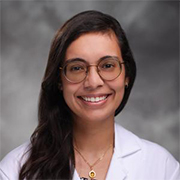
Annika Sinha, MD
Dr. Sinha is a board-certified obstetrician-gynecologist and Clinical Associate at Duke University, where she is completing a fellowship in Urogynecology and Female Pelvic Reconstructive Surgery. She earned her MD from Case Western Reserve University and completed residency at the Cleveland Clinic Foundation. Her research focuses on pelvic floor disorders, voiding dysfunction, and Bayesian adaptive trial design. Dr. Sinha has authored numerous peer-reviewed publications and presented nationally on topics including nocturia, cardiovascular risk, and surgical optimization. After graduation, she plans to join the Division of Urogynecology and Reconstructive Pelvic Surgery at the Medical College of Georgia at Augusta University as an academic urogynecologist.

Maryrose Sullivan, PhD
Dr. Sullivan is a Research Health Scientist at the VA Boston Healthcare System and Assistant Professor of Surgery, Brigham and Women’s Hospital Harvard Medical School. Dr. Sullivan’s scientific interests have focused primarily on benign disorders of the bladder, including those related to outlet obstruction, diabetes, spinal cord injury and Parkinson’s disease. Her research is aimed at uncovering mechanisms responsible for bladder function/dysfunction and urinary incontinence, with the ultimate goal of identifying targetable pathways for intervention and alleviating lower urinary tract symptoms. As a research scientist and biomedical engineer, her research projects exploit a number of multidisciplinary approaches to interrogate these pathways at the cellular, tissue and whole animal levels and include imaging, in vitro, ex vivo, and in vivo techniques. With funding from the Department of Veterans Affairs and NIDDK, she has published numerous original articles, chapters and reviews on topics related to urinary incontinence, bladder contractility, bladder outlet obstruction, neurogenic and non-neurogenic detrusor overactivity, and diabetic bladder dysfunction. She has been fortunate to be involved in mentoring and supervising many urology residents, post-docs, medical students and junior faculty. Dr. Sullivan is also an active member of the AUA, SUFU, SPR and ICS, and is a member of the editorial board of several urology focused journals. Dr. Sullivan serves on the KURe Advisory Committee.
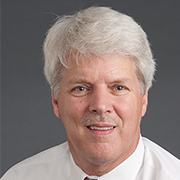
Steven Walker, PhD
Dr. Walker Professor at Wake Forest Institute of Regenerative Medicine in Winston-Salem, NC. He is a geneticist and molecular biologist with a focus on systems biology and diagnostic biomarker discovery in complex disorders. Since 2014, one primary focus of his research has been to leverage molecular, histological, and cellular data, together with clinical and demographic information, for the identification of clinically relevant patient subgroups in interstitial cystitis/bladder pain syndrome. The overall goal is to identify mechanisms underlying specific subgroup pathophysiology so that regenerative medicine and other therapeutic strategies can be used to improve treatment outcomes for this highly heterogeneous patient population. A secondary goal is to partner with other experts in the field (e.g., clinicians and basic scientists new to benign urology research) to enhance our capabilities and accelerate our progress towards the overall goal.

Philip J. Walther, MD, PhD, MBA, FACS
Dr. Walther is Professor of Urology at Duke University. He received his MD-PhD at Duke, his urologic residency at UCLA, an American Cancer Society junior faculty fellowship at Duke; and an MBA from Duke’s Fuqua School of Business. His lab research interests have been: 1) Developmental GU onco-therapeutics using human xenograft-supported GU tumors (primarily bladder) 2) the genomic elucidation of the role of oncogenic HPV genotypes with lower GU cancers (bladder, penis, and urethra). Dr. Walther was the Site PI at Duke for the first NIH-sponsored multi-institutional study of immune-therapeutics of renal cancer using high-dose interleukin-2, and served as PI of a R21-funded grant to initiate an institutional research program in prostate cancer. He also served on the Study Committee of a 7 year NIH-sponsored nutritional intervention prostate cancer prevention study. Dr. Walther serves on the KURe Advisory Committee.
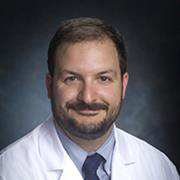
Kyle Wood, MD
Dr. Wood is Associate Professor of Urology at the University of Alabama at Birmingham. He attended medical school at University of Massachusetts, and completed his residency at Wake Forest University. Dr. Wood is fellowship trained in Endourology with a primary focus on kidney stone disease. His surgical expertise is in complex kidney stone disease and surgeries. He is a trained open, endoscopic, laparoscopic and robotic surgeon. The focus of multidisciplinary metabolic kidney stone clinic is on the workup of kidney stone formers and implementing dietary, medical and lifestyle modifications to prevent future kidney stones. He is an AUA research scholar and is conducting kidney stone research on the metabolic pathways that lead to kidney stone disease, specifically evaluating the role of obesity in kidney stone disease. His research has basic, translational and clinical components.
Acknowledgements
Sponsors
NIH-NIDDK K12DK100024 (KURe)
Duke Departments of Obstetrics & Gynecology, Urology, and Biomedical Engineering
CAIRIBU
A special THANK YOU to CAIRIBU for providing Trainee and Alumni Travel Awards to the following recipients:
|
Firoj Alom PhD |
Department of Physiology, Medical College of Wisconsin |
|
Samantha Benevides MD |
Department of Urology, Virginia Commonwealth University |
|
Naomi Carter |
Virginia Commonwealth University |
|
Nyemkuna Fortingo MD |
Department of Urology, Virginia Commonwealth University |
|
Jim Hokanson PhD |
Marquette Univ., Medical College of Wisconsin |
|
Vandanaa Jayaprakash BS, BA |
Virginia Commonwealth University School of Medicine |
|
Tamryn Jordan |
University of Wisconsin-Madison |
|
Brendyn Miller PhD |
Institute for Regenerative Medicine |
|
Anna Miller |
Virginia Commonwealth University, Mechanical and Nuclear Engineering |
|
Fernando Pereira Beserra PhD |
Dept of Obstetrics and Gynecology, University of Colorado |
|
Hannah Ruetten DVM PhD |
Wake Forest University School of Medicine |
|
Stephanie Sirmakesyan MSc |
Faculty of Medicine, McGill University |
|
Sydney Smith BA |
Faculty of Medicine, McGill University |
KURe Advisory Committee
Jennifer Anger, MD, MPH
Mary Barbe, PhD, FAA
Steven D. Crowley, MD
David Page, PhD
Todd Purves, MD, PhD
Maryrose Sullivan, PhD
Philip Walther, MD, PhD, MBA, FACS
Lenaine Westney, MD
Distinguished Judges
Top Trainee Abstracts - Trainee Podium Presentation Awards
Jennifer Anger, MD, MPH
Mary Barbe, PhD, FAA
Steven D. Crowley, MD
Monty Hughes, PhD
Ashley Johnston, MD
David Page, PhD
Maryrose Sullivan, PhD
Philip Walther, MD, PhD, MBA, FACS
Lenaine Westney, MD
Trainee Poster Presentation Awards
Jonathan Campbell, PhD
Quentin Clemens, MD
Jim Hokanson, PhD
Mark Lachiewicz MD, MPH
Andrea Nackley, PhD
Michael Odom, PhD
Annika Sinha, MD
Stephen Walker, PhD
Kyle Wood, MD
Symposium Organizers
KURe Program
Cindy L. Amundsen, MD, PI and Program Director
Friederike L. Jayes, PhD, DVM, Program Coordinator
Rebecca Kameny, PhD, Research Program Leader
Duke Ob-Gyn
Jane Black, Director of Communications and Marketing
Sarah Brady, Assistant Director of Communications and Marketing
Lynn Montoya, Staff Assistant
Students
Matthew Torres (Duke University)
Ashley Whitfield (North Carolina Central University)