
This is a great opportunity to meet and chat with our speakers and other experts in an informal setting. Trainees are invited to engage in conversations with KURe advisors and symposium speakers in small groups at the end of the symposium. Non-trainees will be accommodated if space is available.
Sign Up for Lunch with Experts
Mary Barbe, PhD

Dr. Barbe is Professor in Cardiovascular Sciences at the Lewis Katz School of Medicine at Temple University. She also holds professorships in the Center for Substance Abuse Research, Biomedical Education and Data Science, and Neural Sciences. She received her PhD from Wake Forest University. Her research focuses on the effect of repetition and force on musculoskeletal and neural systems, and investigation of surgical means of bladder reinnervation after sacral spinal root injury. In a current NINDS-funded study, the team has shown that functional reinnervation (using electrophysiology) and recentralization (using neuroanatomical tract tracing) of the bladder can occur using homotopic reconnection of severed sacral roots innervating the bladder, as well as heterotopic reconnection using genitofemoral or femoral nerves that originate from more rostral spinal cord segments. They have also shown successful reinnervation of the external urethral sphincter using the pudendal nerve. Dr. Barbe serves on the KURe Advisory Committee.
Jonathan Campbell, PhD
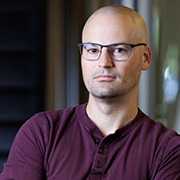
Dr. Campbell is an Associate Professor at Duke University in the Department of Medicine and the Department of Pharmacology and Cancer Biology, as well as a faculty member of the Duke Molecular Physiology Institute (DMPI). His background is in biology and physiology, with specific training and expertise in diabetes, islet biology, and gut hormone endocrinology. His research program, located in the Duke Molecular Physiology Institute, uses preclinical models including cell-based assays, genetic mouse models, and human samples to investigate the various mechanisms of action for incretins in physiology and pharmacology. His group also translates the results from preclinical models through human physiology studies. The current focus of his group is to: 1) understand the unique and common signaling pathways engaged by incretins that regulate cellular function, 2) elucidate the importance of paracrine interaction within the islet, and 3) determine novel mechanisms by which incretin peptides and glucagon interact to regulate metabolism.
J. Quentin Clemens, MD, FACS, MSCI
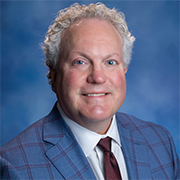
Dr. Clemens is the Edward J. McGuire Professor of Urology, Associate Chair for Research, and Director of the Urogynecology and Reconstructive Pelvic Surgery Fellowship Program at the University of Michigan Medical School. Dr. Clemens is internationally recognized for his expertise in functional urology. He obtained his MD degree from the Johns Hopkins University School of Medicine. He completed his urologic residency training at Northwestern University Medical School and his Fellowship in Neurourology, Reconstruction and Incontinence at the University of Michigan. Dr. Clemens’ research interests are in the areas of epidemiology and health services research related to benign urologic diseases. He has published over 300 peer-reviewed manuscripts and book chapters and has had continuous NIH funding since 2001. He has been Principal Investigator on multiple NIH-funded projects related to urinary incontinence, interstitial cystitis and chronic prostatitis, including the NIDDK MAPP Research Network and NIDDK LURN Research Network.
Steven Crowley, MD
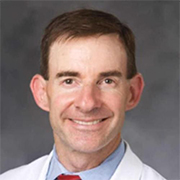
Dr. Crowley is Professor of Medicine, Nephrology at Duke University. He received his MD from Duke University. His laboratory investigates the contribution of the immune system and inflammatory mediators to the progression of target organ damage in the setting of cardiovascular disease. Current projects include studying the actions of type 1 angiotensin receptors on specific immune cell populations in hypertension, target organ damage, and tissue fibrosis; cell-specific actions of inflammatory cytokines in regulating blood pressure and end-organ injury; mechanisms through which dendritic cells regulate renal sodium reabsorption; and contributions of Wnt O-acylation to kidney scar formation. Dr. Crowley joined the KURe Advisory Committee in 2026.
Andrea Nackley, PhD
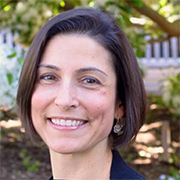
Dr. Nackley is an Associate Professor of Anesthesiology and Associate Director of the Center for Translational Pain Medicine at Duke University. She is Director of the Translational Pain Research Laboratory, where her program marries pain neurobiology, behavioral pharmacology, and molecular genetics in mouse and man to better understand what causes chronic pain and how to effectively treat it. During the past 20 years, her expertise in this area has been applied to the study of how alterations in gene regulation, protein expression, and receptor signaling contribute to chronic ‘primary’ overlapping pain conditions such as vestibulodynia. Her lab was the first to demonstrate a critical role for peripheral adrenergic receptor beta-3 in the development of chronic pain and neuroinflammation, which remains a primary research focus. Dr. Nackley is an active leader in the field, participating in pain-relevant workshops and delivering invited lectures around the globe. In recognition of her scholarly activity in the pain field, she received the John C. Liebeskind Career Scholar Award from the American Pain Society.
David Page, PhD

Dr. Page is Chair of the Department of Biostatistics and Bioinformatics at Duke University. He completed his PhD in Computer Science at the University of Illinois at Urbana-Champaign, where his dissertation focused on theoretical aspects of machine learning. He became involved in biomedical applications of machine learning while a postdoc at Oxford University. During his 20 years at the University of Wisconsin-Madison, Dr. Page supervised 17 PhDs and 3 postdocs who went on to become scientists at Google, Amazon, Facebook, Yale, and the Carbone Cancer Center, as well as faculty at Carnegie-Mellon, Catholic University of Leuven, Michigan, Case Western, UCLA, Minnesota State, and Wisconsin. He has also supervised multiple master’s students, including now-current PhD students at Duke, Princeton, and MIT. Dr. Page serves on the KURe Advisory Committee.
Todd Purves, MD PhD

Dr. Purves is Professor and Vice Chair of Research in the Department of Urology at Duke University. He received his MD PhD from the University of Illinois. He serves as PI in the Duke University Urinary Dysfunction Laboratory, where the team investigates benign urologic disease caused by inflammation in the bladder. Dr. Purves is a mentor on the Advanced Immunobiology Training Program for Surgeons and is a member of the KURe Advisory Committee.
Annika Sinha, MD
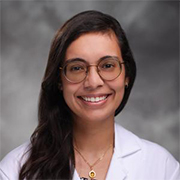
Dr. Sinha is a board-certified obstetrician-gynecologist and Clinical Associate at Duke University, where she is completing a fellowship in Urogynecology and Female Pelvic Reconstructive Surgery. She earned her MD from Case Western Reserve University and completed residency at the Cleveland Clinic Foundation. Her research focuses on pelvic floor disorders, voiding dysfunction, and Bayesian adaptive trial design. Dr. Sinha has authored numerous peer-reviewed publications and presented nationally on topics including nocturia, cardiovascular risk, and surgical optimization. After graduation, she plans to join the Division of Urogynecology and Reconstructive Pelvic Surgery at the Medical College of Georgia at Augusta University as an academic urogynecologist.
Maryrose Sullivan, PhD

Dr. Sullivan is a Research Health Scientist at the VA Boston Healthcare System and Assistant Professor of Surgery, Brigham and Women’s Hospital Harvard Medical School. Dr. Sullivan’s scientific interests have focused primarily on benign disorders of the bladder, including those related to outlet obstruction, diabetes, spinal cord injury and Parkinson’s disease. Her research is aimed at uncovering mechanisms responsible for bladder function/dysfunction and urinary incontinence, with the ultimate goal of identifying targetable pathways for intervention and alleviating lower urinary tract symptoms. As a research scientist and biomedical engineer, her research projects exploit a number of multidisciplinary approaches to interrogate these pathways at the cellular, tissue and whole animal levels and include imaging, in vitro, ex vivo, and in vivo techniques. With funding from the Department of Veterans Affairs and NIDDK, she has published numerous original articles, chapters and reviews on topics related to urinary incontinence, bladder contractility, bladder outlet obstruction, neurogenic and non-neurogenic detrusor overactivity, and diabetic bladder dysfunction. She has been fortunate to be involved in mentoring and supervising many urology residents, post-docs, medical students and junior faculty. Dr. Sullivan is also an active member of the AUA, SUFU, SPR and ICS, and is a member of the editorial board of several urology focused journals. Dr. Sullivan serves on the KURe Advisory Committee.
Steven Walker, PhD
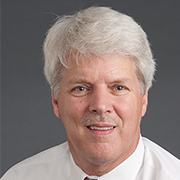
Dr. Walker Professor at Wake Forest Institute of Regenerative Medicine in Winston-Salem, NC. He is a geneticist and molecular biologist with a focus on systems biology and diagnostic biomarker discovery in complex disorders. Since 2014, one primary focus of his research has been to leverage molecular, histological, and cellular data, together with clinical and demographic information, for the identification of clinically relevant patient subgroups in interstitial cystitis/bladder pain syndrome. The overall goal is to identify mechanisms underlying specific subgroup pathophysiology so that regenerative medicine and other therapeutic strategies can be used to improve treatment outcomes for this highly heterogeneous patient population. A secondary goal is to partner with other experts in the field (e.g., clinicians and basic scientists new to benign urology research) to enhance our capabilities and accelerate our progress towards the overall goal.
Philip J. Walther, MD, PhD, MBA, FACS
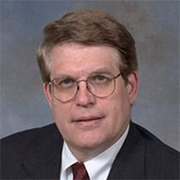
Dr. Walther is Professor of Urology at Duke University. He received his MD-PhD at Duke, his urologic residency at UCLA, an American Cancer Society junior faculty fellowship at Duke; and subsequently an MBA from Duke’s Fuqua School of Business (health care management). His lab research interests have been: 1) Developmental GU onco-therapeutics using human xenograft-supported GU tumors (primarily bladder) 2) the genomic elucidation of the role of oncogenic HPV genotypes with lower GU cancers (bladder, penis, and urethra). Dr. Walther was the Site PI at Duke for the first NIH-sponsored multi-institutional study of immune-therapeutics of renal cancer using high-dose interleukin-2, and served as PI of a R21-funded grant to initiate an institutional research program in prostate cancer. He also served on the Study Committee of a 7 year NIH-sponsored nutritional intervention prostate cancer prevention study. Dr. Walther serves on the KURe Advisory Committee.
Kyle Wood, MD
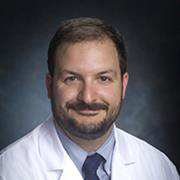
Dr. Wood is Associate Professor of Urology at the University of Alabama at Birmingham. He attended medical school at University of Massachusetts, and completed his residency at Wake Forest University. Dr. Wood is fellowship trained in Endourology with a primary focus on kidney stone disease. His surgical expertise is in complex kidney stone disease and surgeries. He is a trained open, endoscopic, laparoscopic and robotic surgeon. The focus of multidisciplinary metabolic kidney stone clinic is on the workup of kidney stone formers and implementing dietary, medical and lifestyle modifications to prevent future kidney stones. He is an AUA research scholar and is conducting kidney stone research on the metabolic pathways that lead to kidney stone disease, specifically evaluating the role of obesity in kidney stone disease. His research has basic, translational and clinical components.